


News
Ariane 6 Launches Metop-SGA1
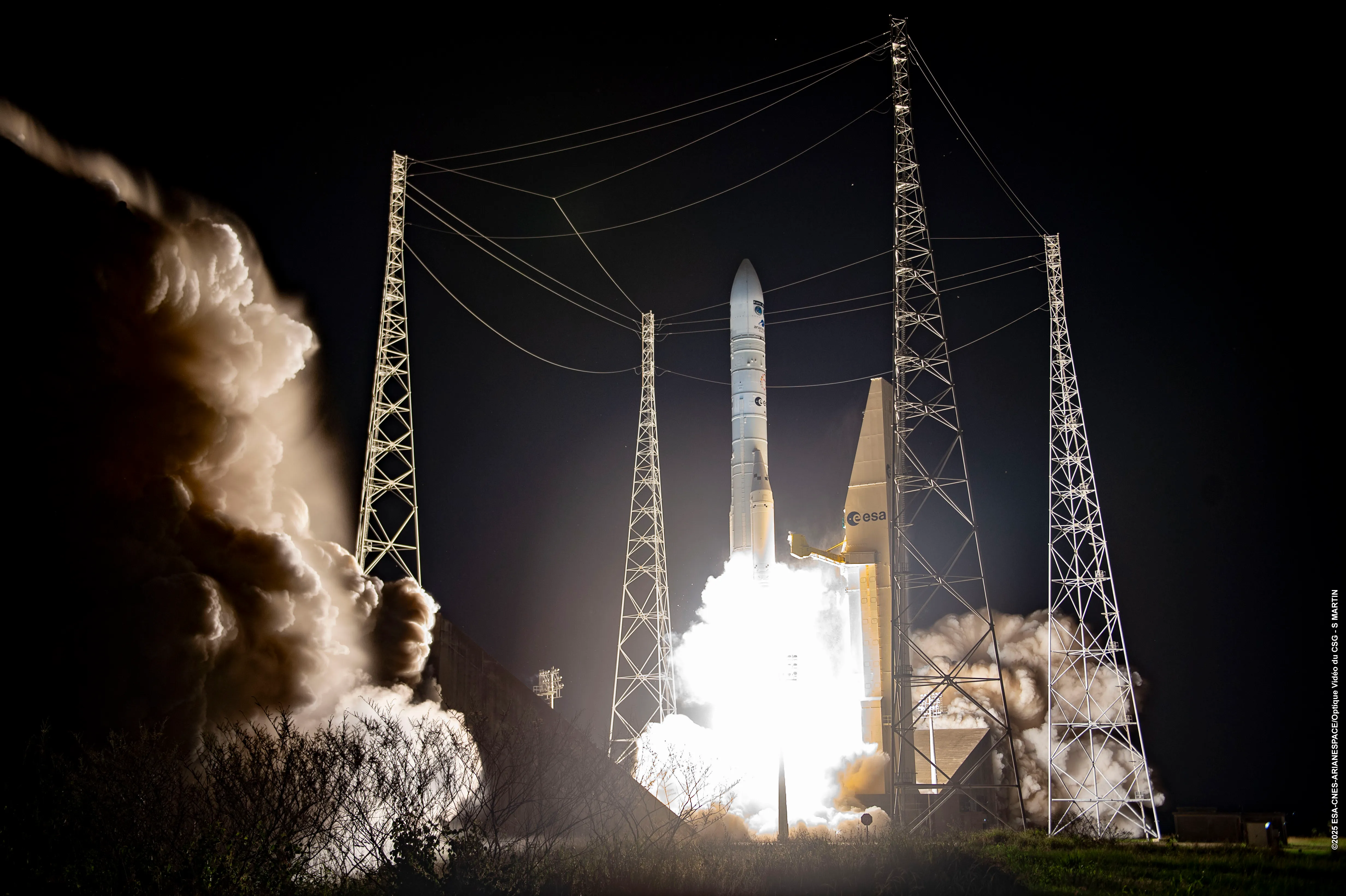
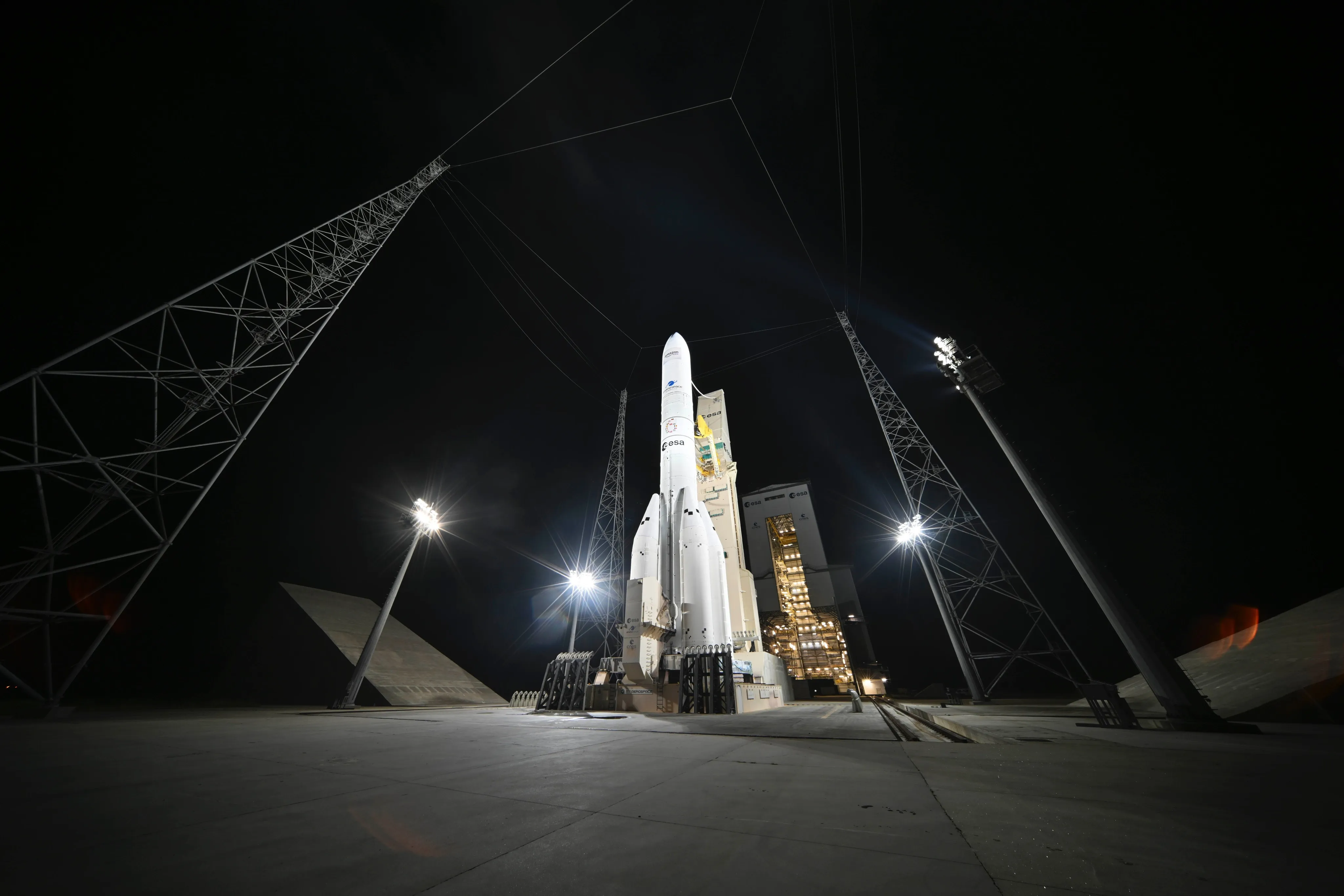
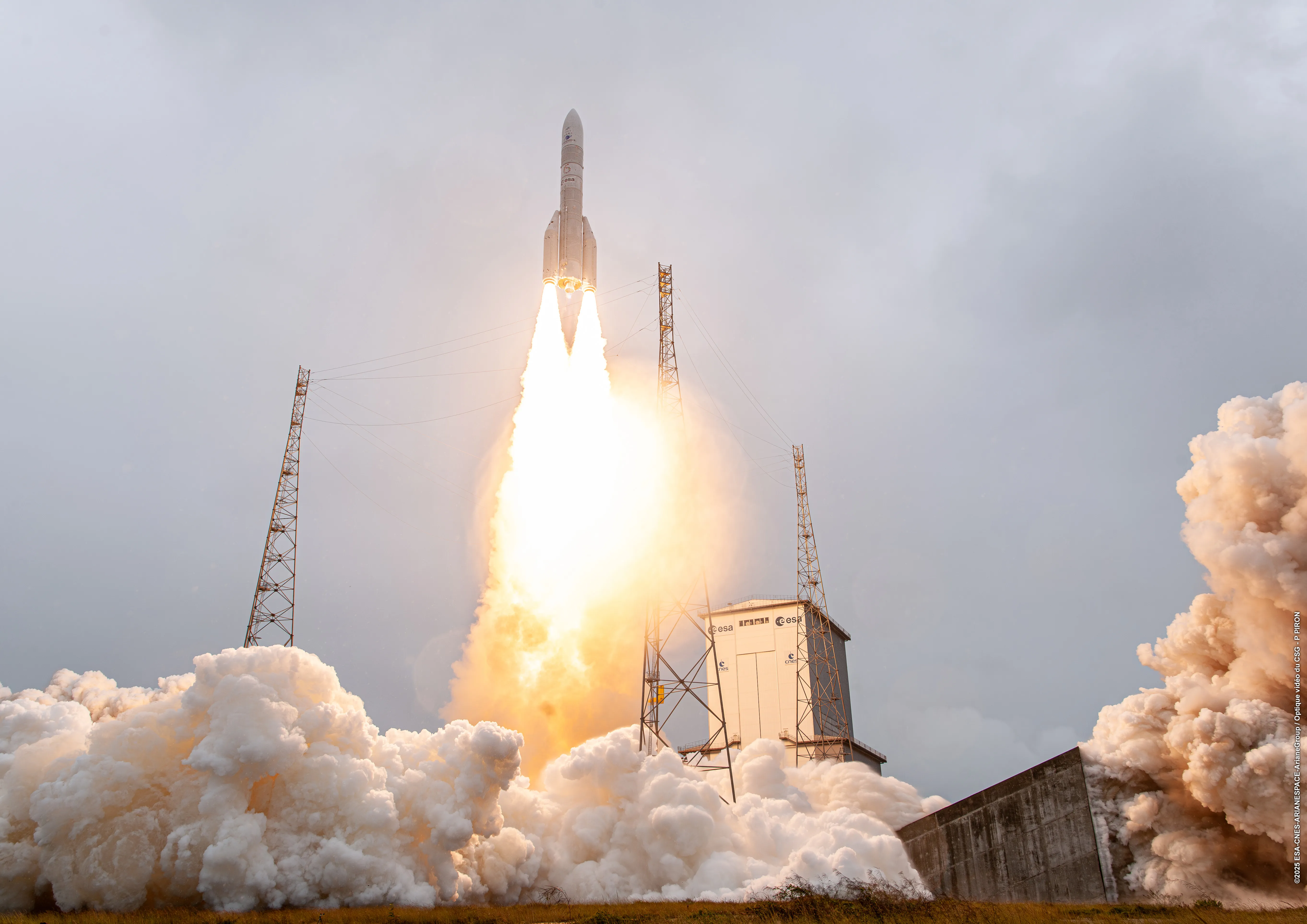
Metop-SGA1 is the first of EUMETSAT’s next-generation polar-orbiting satellites. It will deliver optical, infrared, and microwave data to improve weather forecasting, monitor climate change, and provide key atmospheric observations — including the Sentinel-5 mission of the European Commission’s Copernicus programme.
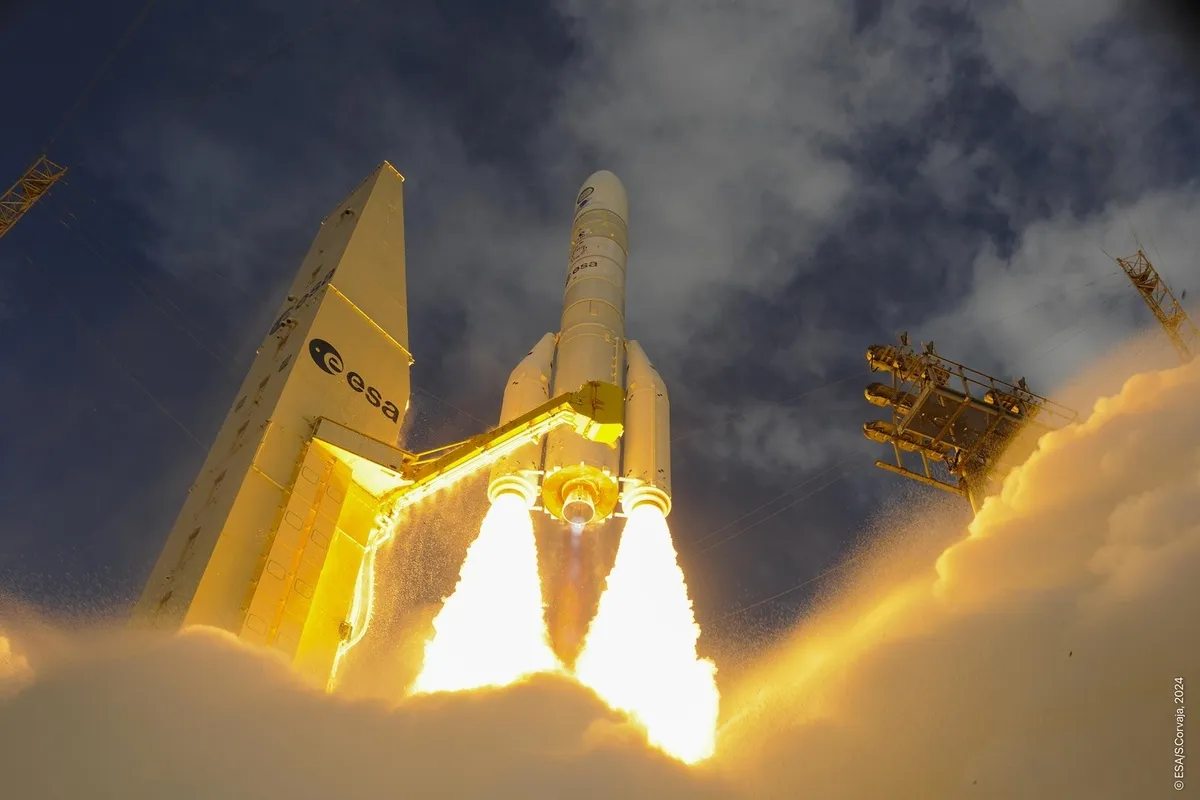
The VA264 mission marked the second commercial flight of Europe’s new heavy-lift launcher, confirming Ariane 6’s performance, precision, and reliability, and reinforcing Europe’s autonomous access to space.
GTD: Two Decades Supporting Every Launch from Kourou
Since 2003, every time an Ariane, Soyuz, or Vega has lifted off from the Guiana Space Centre, GTD’s technical teams have played a key role in mission success and safety.
Our contribution spans virtually every step of a launch campaign:
- Development of the launcher’s flight program.
- Operation and maintenance of launch control systems, radar and telemetry installations, and mission control systems.
- Operation of the Jupiter 2 mission control system and safety infrastructure.
- Configuration and validation of the launcher from assembly to lift-off.
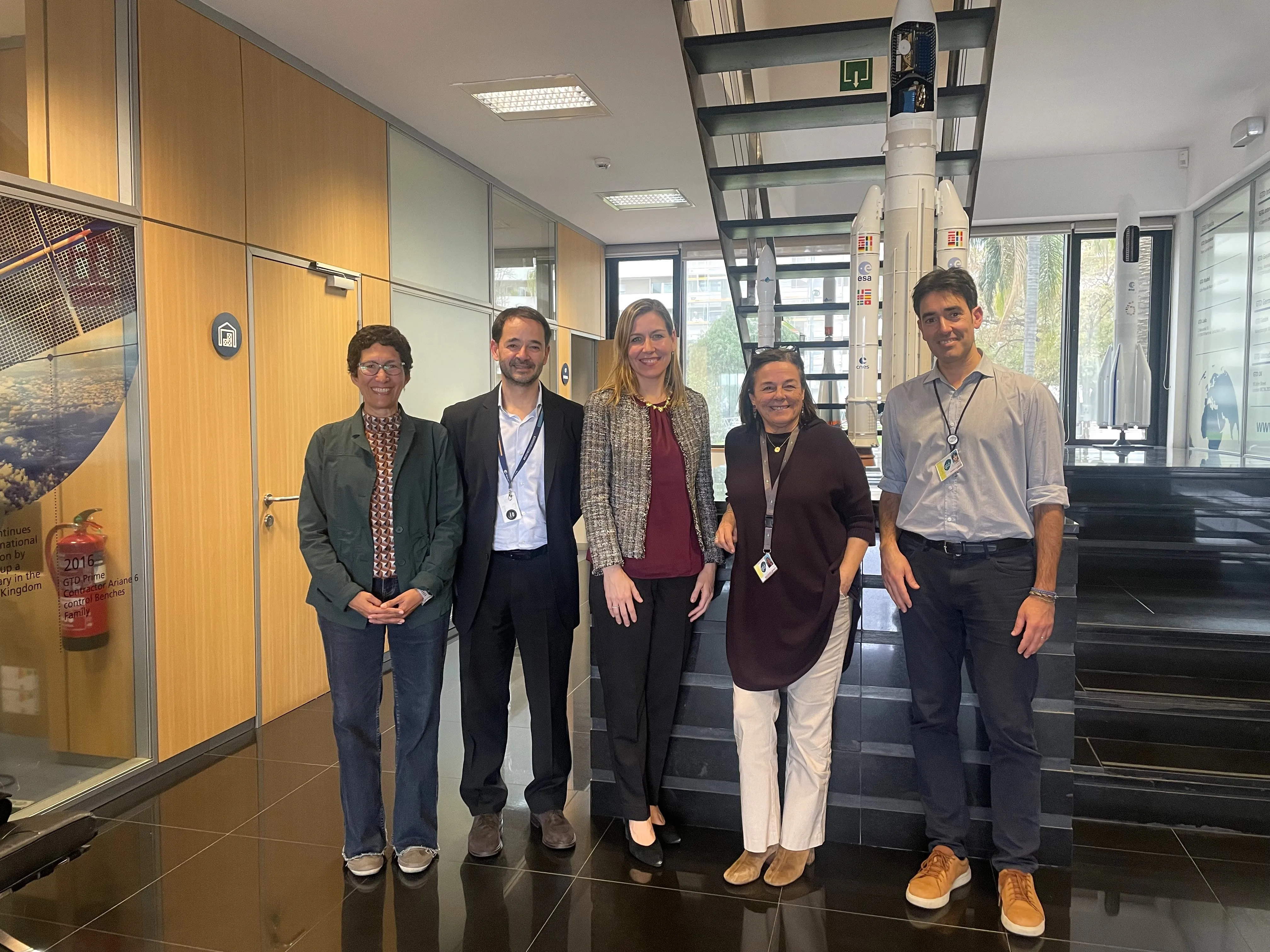
On launch day, GTD engineers are present at every critical point: the launch site bunker, the technical centre, Des Pères Mountain (home to radar and telemetry facilities), and the meteorological centre. Meanwhile, a support team in Barcelona maintains a real-time backup of all computer systems — 8,000 km away from the rocket’s pad.
Each campaign requires weeks or months of preparation — 22 to 30 days for the launcher and up to 5 months for the payload — demanding precision, coordination, and a strong sense of responsibility. No two missions are the same: each is a new challenge that pushes us to excel.
With over two decades of continuous presence in Kourou, GTD remains a strategic partner in ensuring Europe’s independent access to space, contributing on the ground to the success of missions like Metop-SGA1.
Keep exploring the mission
Discover more insights, technical breakdowns, and updates from our engineering teams.
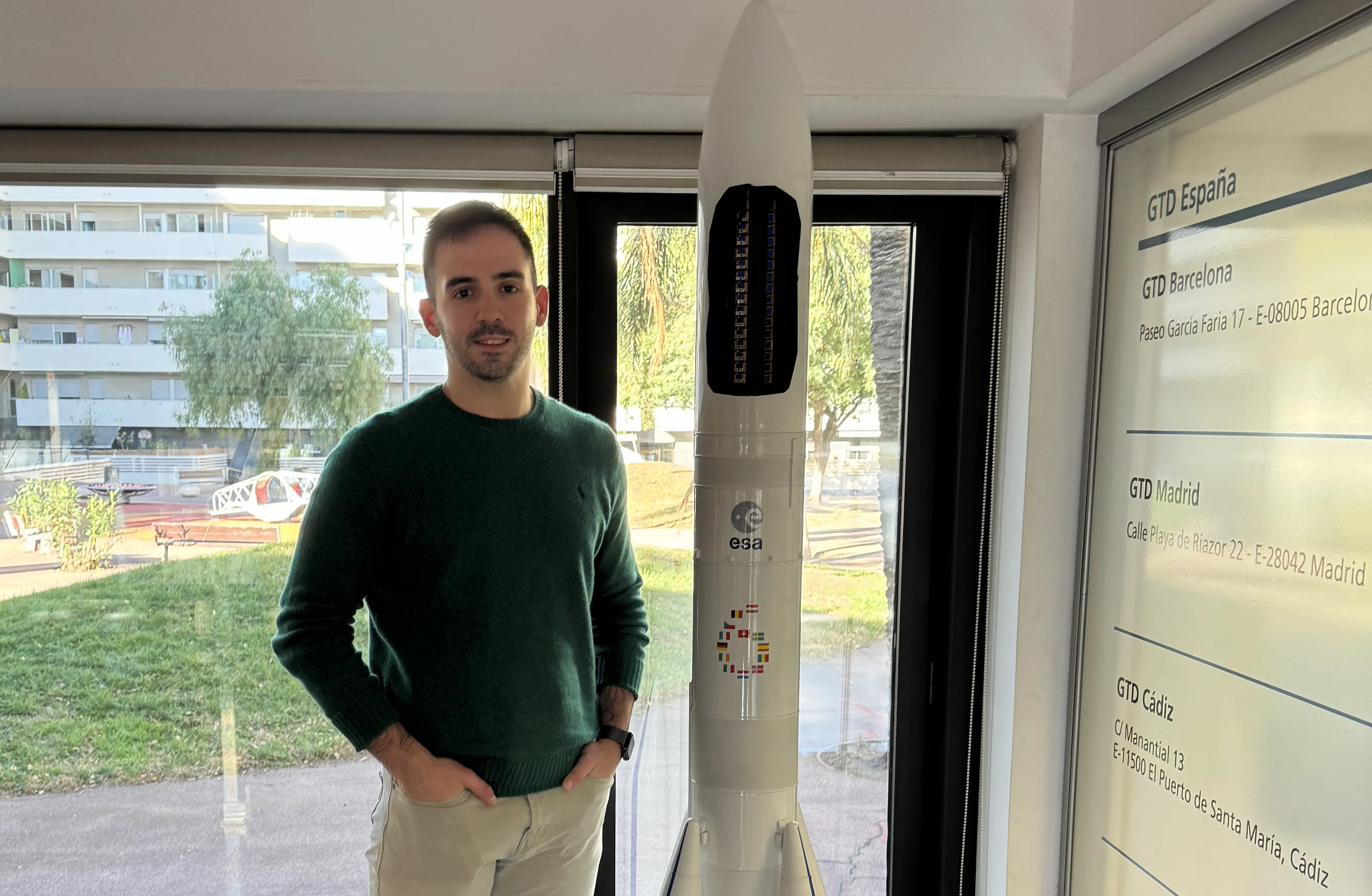
GTD's First Industrial PhD
Autonomous flight safety systems for reusable launchers: Alejandro Sabán completes GTD's first industrial doctorate on AFSS technology for New Space.