


News
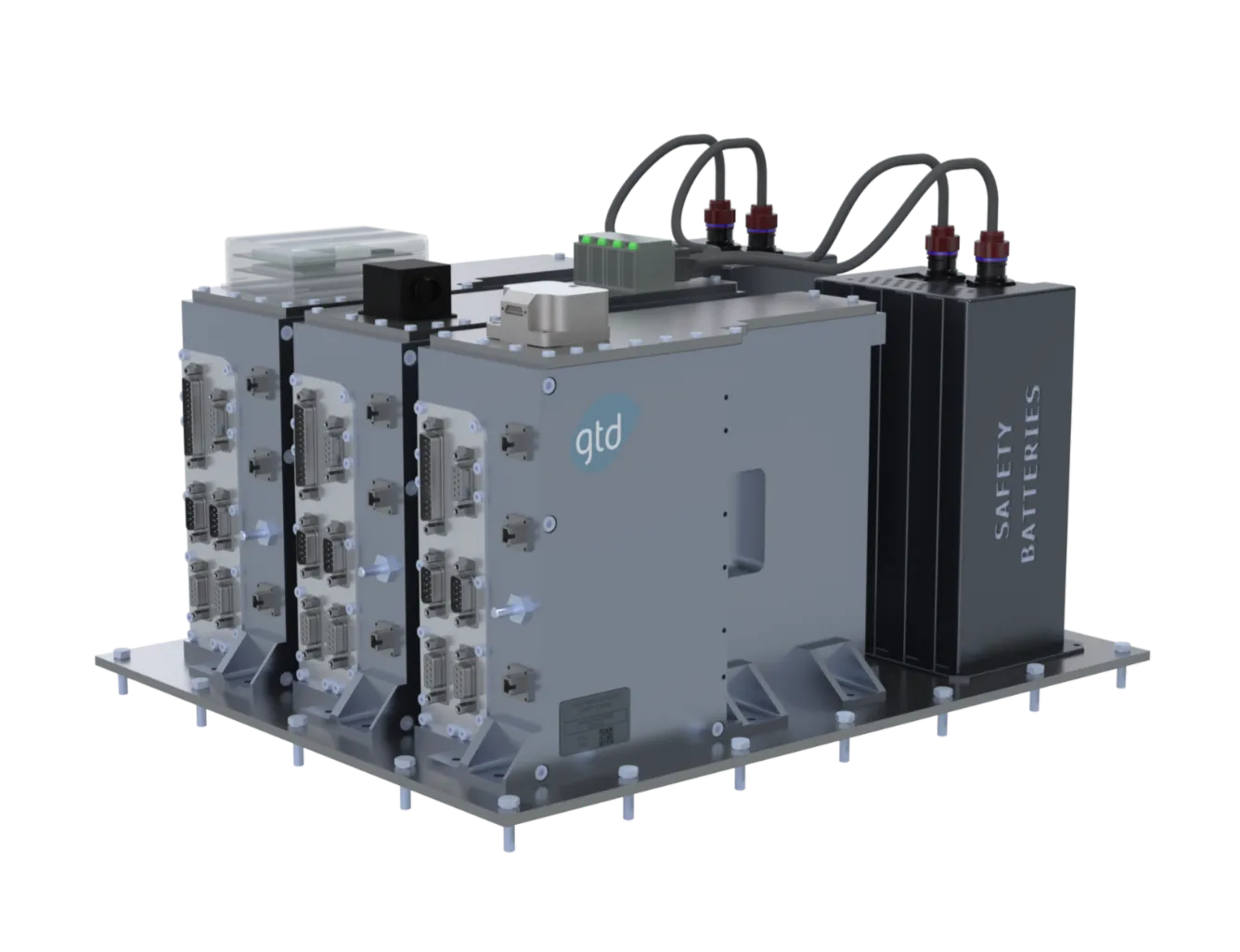
Introducing SILA: GTD'S Leap Towards Autonomous Flight Safety
BACKGROUND AND OPPORTUNITY
For years, GTD has been at the forefront of developing cutting-edge flight safety systems for the Guiana Space Centre (CSG), specializing in trajectory tracking and telemetry exploitation.
Building on our 15-year legacy of research and development in flight safety, SILA represents our commitment to transitioning from human-supervised systems to fully autonomous onboard solutions, addressing the evolving needs of space operations.
VISION AND STRATEGY
Our vision is to deploy SILA across both onboard and ground-based platforms, targeting new spaceports and advancing the technology readiness level (TRL) of these systems. We aim to deliver modular, mission-configurable software, leveraging artificial intelligence for decision-making and predictive maintenance, particularly for reusable launch vehicles.
CURRENT DEVELOPMENTS
SILA's development journey showcases a configurable Flight Software (FSW) platform and MASSIM, our Processor-in-the-Loop development environment.
This platform is designed to be flexible and modular, capable of seamless integration with various architectural solutions and equipped with redundant navigation, mission and vehicle status monitoring, and autonomous safety decision capabilities.
Keep exploring the mission
Discover more insights, technical breakdowns, and updates from our engineering teams.
GTD's First Industrial PhD
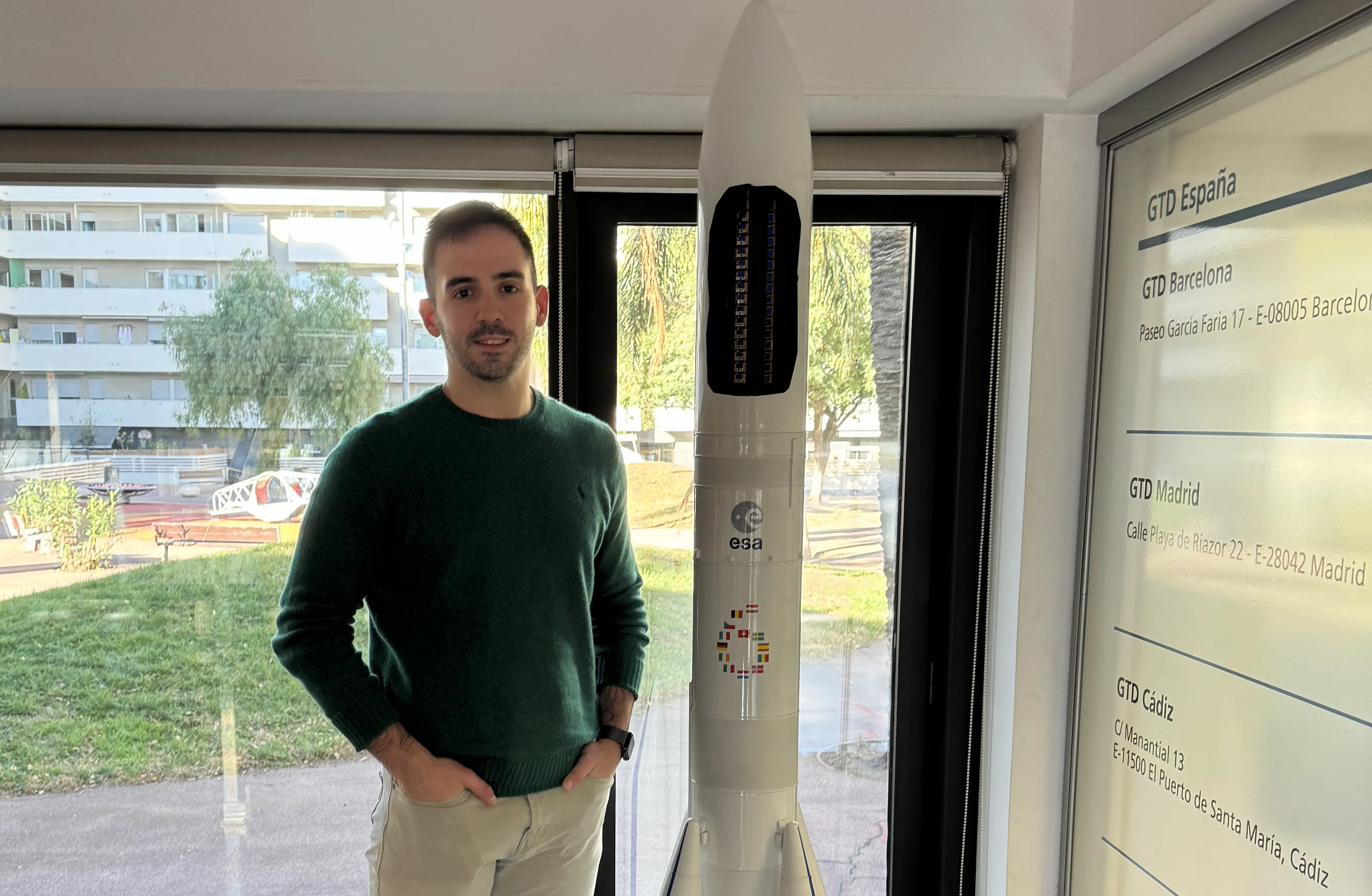
Autonomous flight safety systems for reusable launchers: Alejandro Sabán completes GTD's first industrial doctorate on AFSS technology for New Space.