


News
Two Teams, One Mission: Powering Europe’s Next-Generation Earth Observation satellites
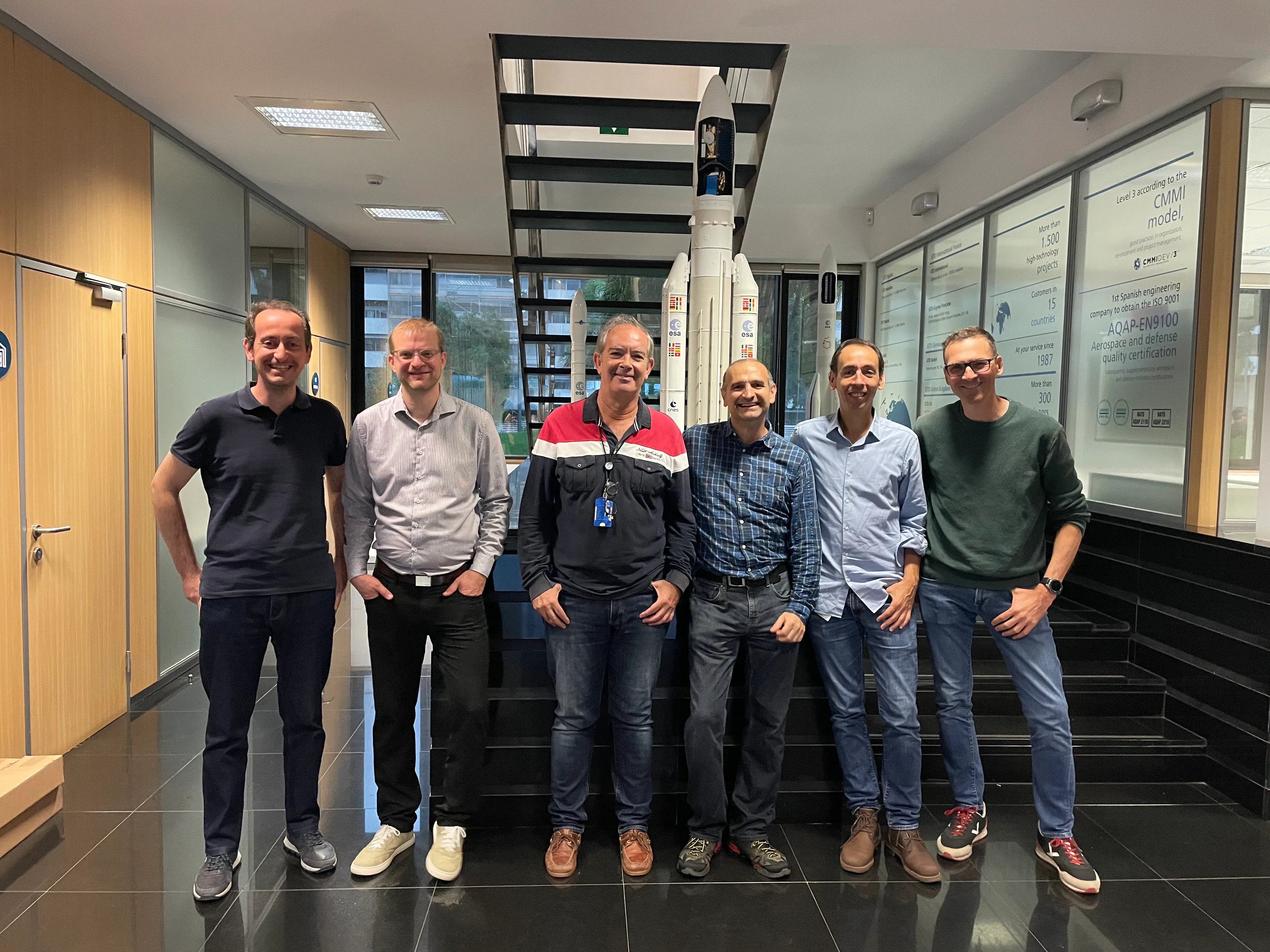
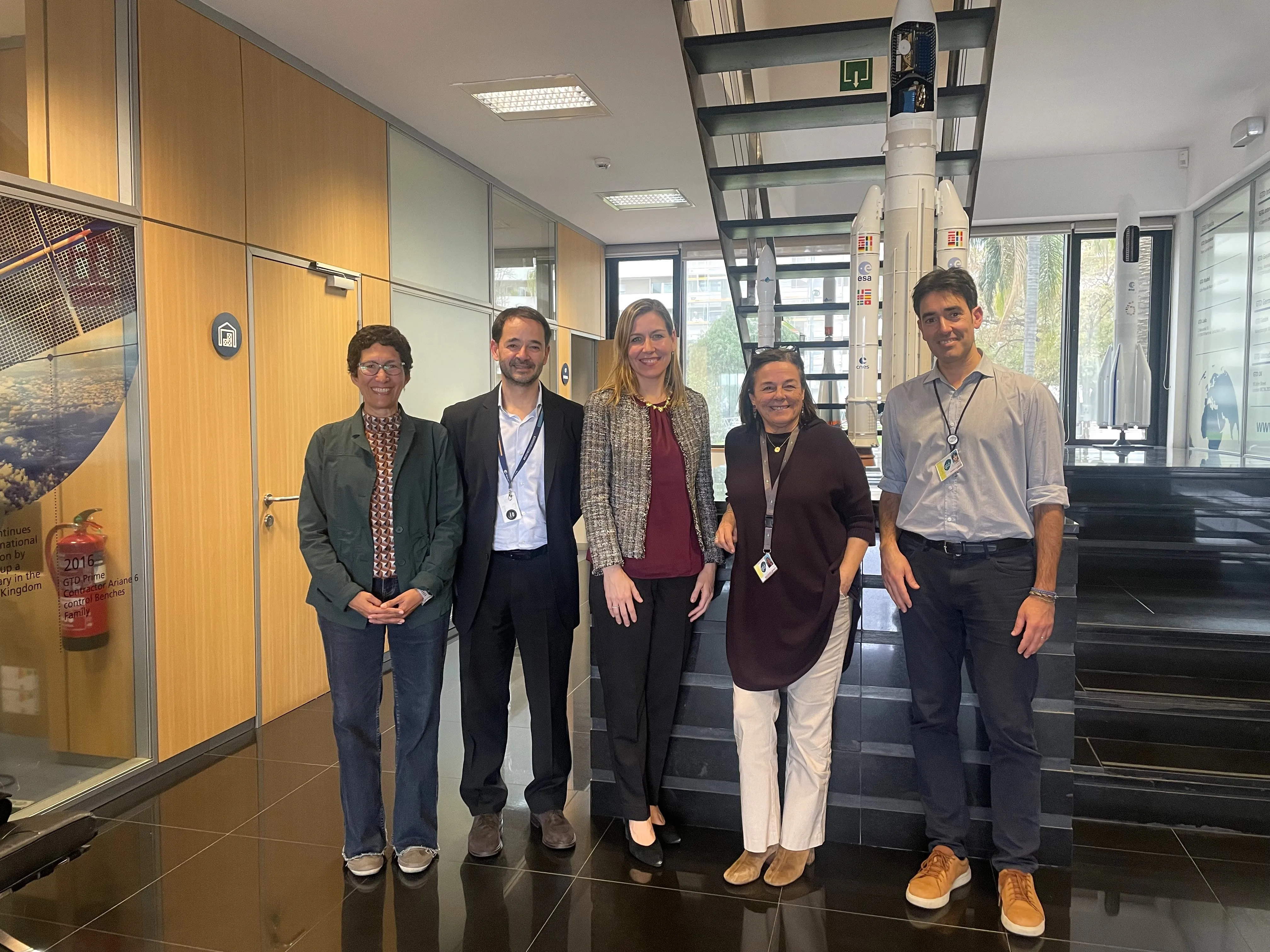
Last week, the GTD GmbH team from Germany visited our Barcelona office to celebrate the internal kick-off of ESA’s HARMONY satellites and continue advancing on CO2M mission — two flagship Earth observation projects designed to enhance our understanding of the planet and support global climate action.
At GTD, our role is to design, develop and validate the onboard software (OBSW) that manages essential satellite subsystems — the critical layer of intelligence that ensures each mission operates safely and efficiently in orbit.
HARMONY: Understanding the Earth’s Dynamic Systems
For the Harmony mission, developed by the European Space Agency (ESA), GTD’s contribution is pivotal. Our Barcelona team is developing the software for the Power Conditioning and Distribution Unit (PCDU) — the system responsible for managing the distribution of electrical power across the satellite. This component is vital for ensuring stable and efficient operation of all onboard systems.
Meanwhile, our German team at GTD GmbH is responsible for unit and validation testing, verifying that the software performs reliably under all mission scenarios and meets ESA’s stringent quality standards. This project represents an important milestone for GTD GmbH, as the team expands its involvement into software testing and validation activities for major ESA programmes.
The Harmony mission will provide new insights into ocean–atmosphere coupling, ice dynamics and land deformation, contributing to scientific research and Europe’s long-term climate monitoring strategy.
CO2M: Monitoring Anthropogenic Emissions from Space
Within ESA’s Copernicus Sentinel Expansion programme, the CO2M mission will deliver precise measurements of CO₂, CH₄ and NO₂ emissions caused by human activity — supporting Europe’s efforts to monitor and mitigate climate change.
Here again, GTD Barcelona develops and implements the BUS service software, while GTD GmbH leads the validation testing phase to ensure flight readiness and reliability.
A Shared Mission Across Borders
This collaboration between our teams in Spain and Germany highlights GTD’s integrated approach to software engineering combining design, development and testing to deliver the systems that power Europe’s most advanced Earth observation satellites.
By uniting expertise across borders, GTD continues to strengthen its position as a trusted partner in Europe’s space ecosystem developing technology that enables safer, smarter and more sustainable missions.
Keep exploring the mission
Discover more insights, technical breakdowns, and updates from our engineering teams.
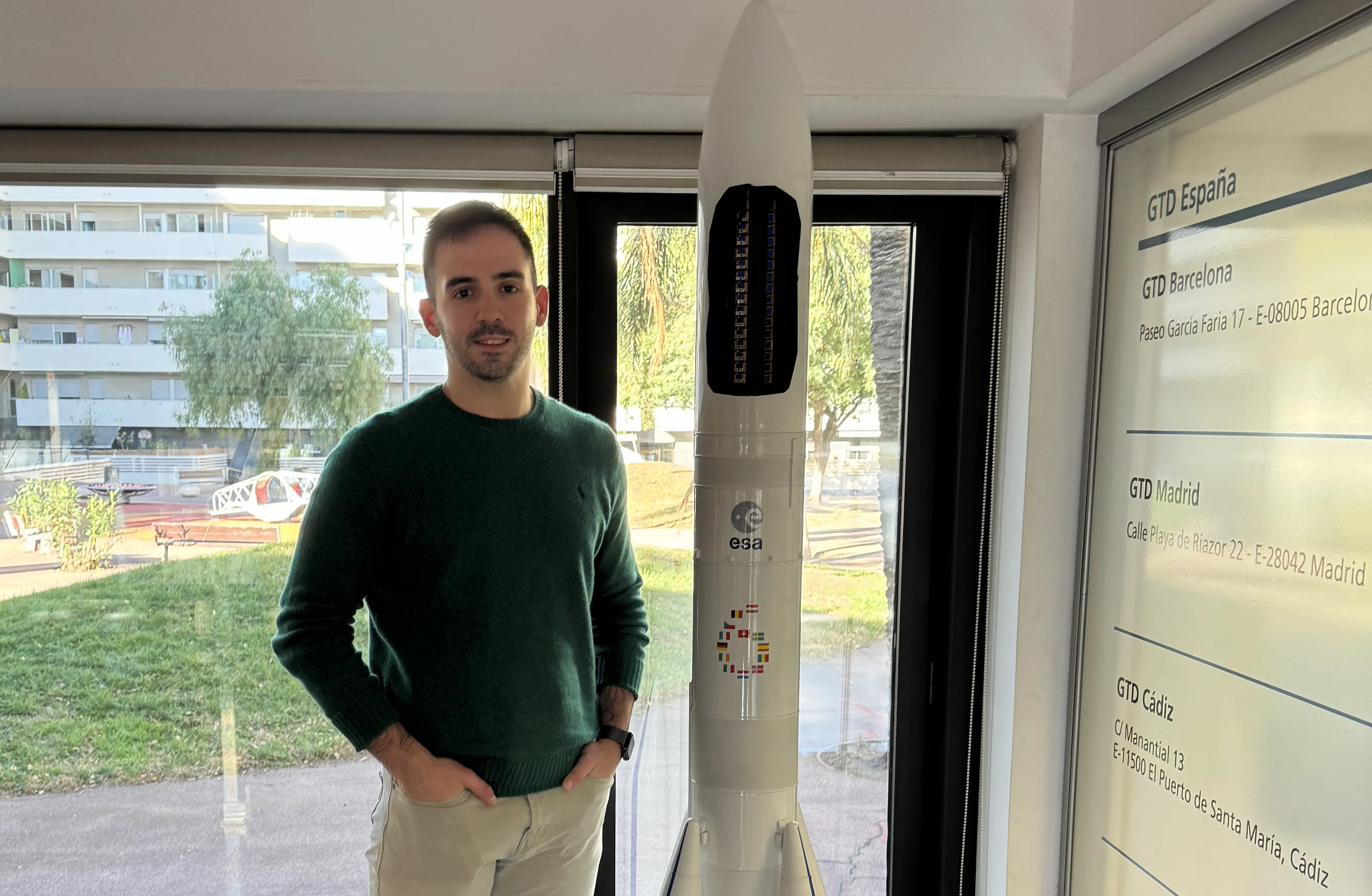
GTD's First Industrial PhD
Autonomous flight safety systems for reusable launchers: Alejandro Sabán completes GTD's first industrial doctorate on AFSS technology for New Space.