


News
VA267: GTD Upgrades Telemetry Visibility for Ariane 64’s First Mission with 32 Amazon LEO Satellites
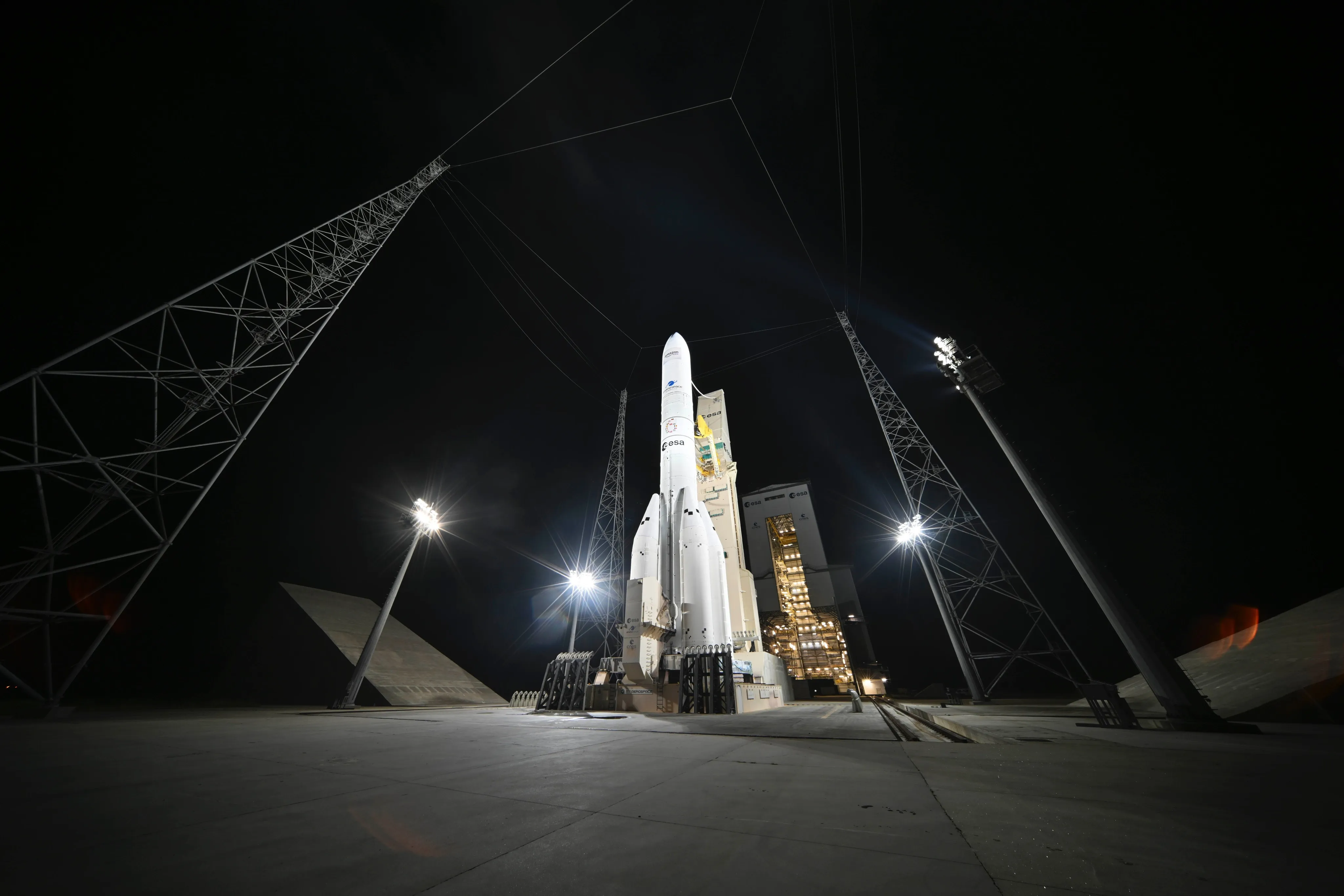
Ariane 64 enters service with enhanced separation visibility
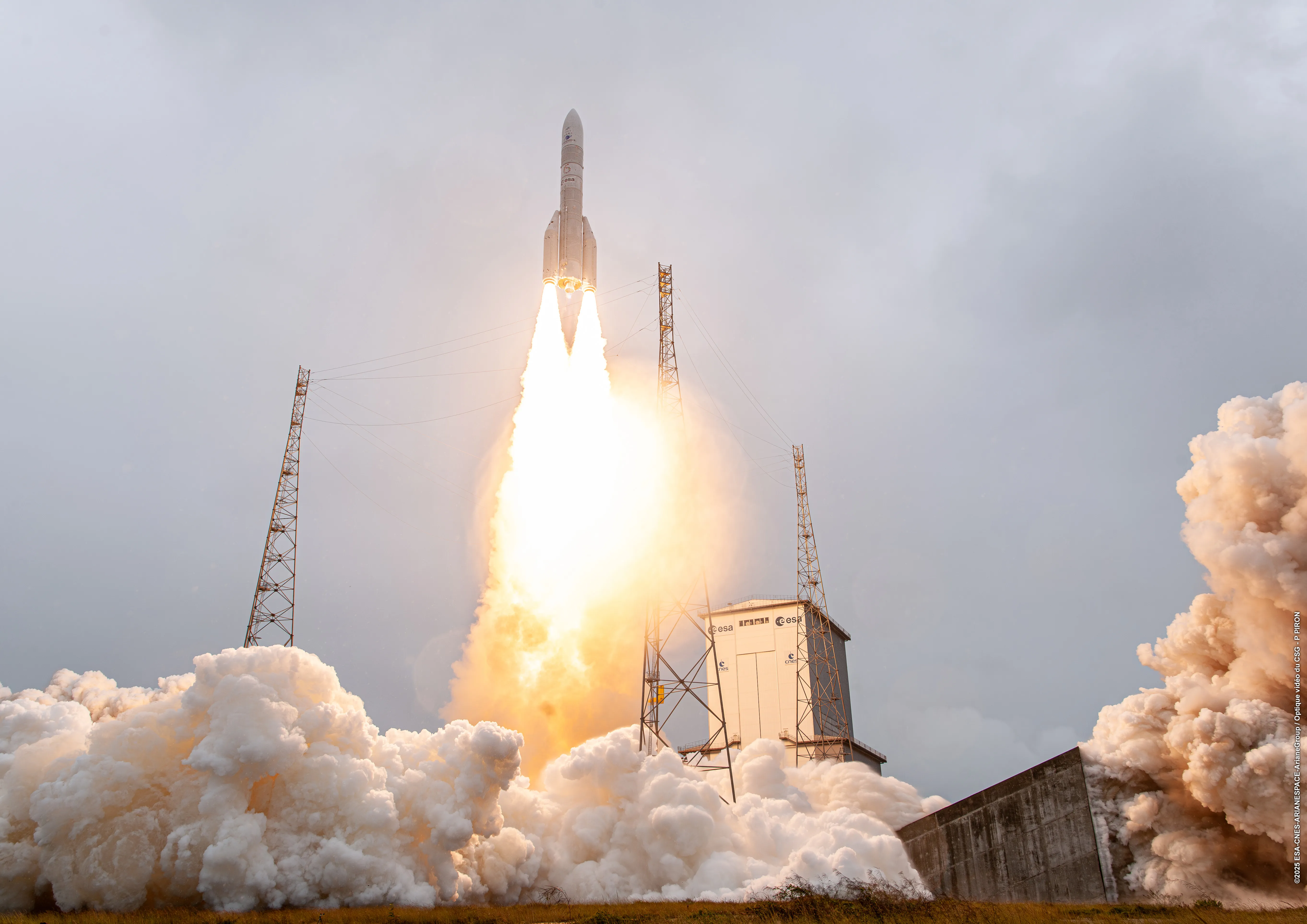
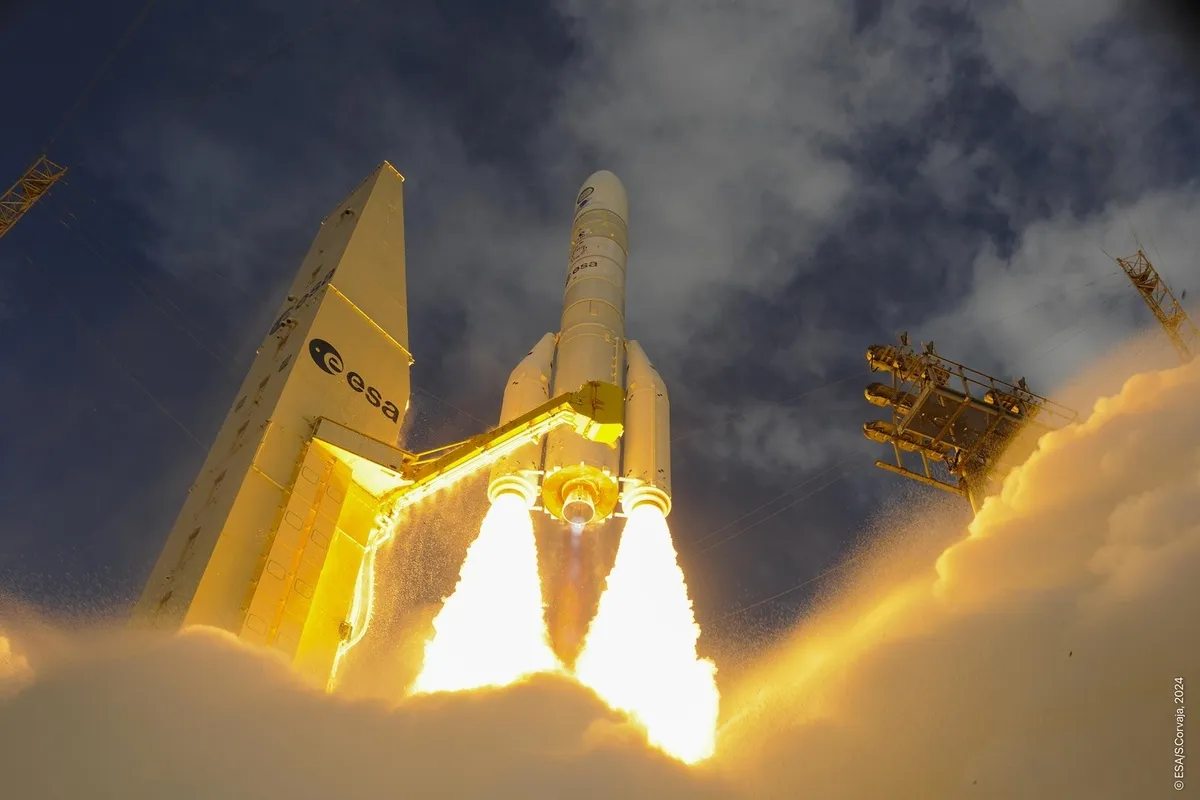
VA267 marks the operational debut of Ariane 64, the four-booster configuration of Ariane 6 designed for large-scale satellite deployments. Over a 1 hour and 54 minute mission sequence, the launcher will execute a complex campaign culminating in 32 confirmed separations into Low Earth orbit.
In missions of this scale, payload separation is one of the most operationally sensitive milestones. Each event must be confirmed with clarity in real time.
For VA267, GTD evolved the SCET-M telemetry processing system to ingest LEO payload separation telemetry through the launcher chain and display separation events to operators as they occur. Based on these indications, SCET-M also supports a high-level operational estimation of each payload’s injection orbit.
The objective is precise and operational: confirm each separation event and its orbital outcome without ambiguity. On a 32-satellite deployment, that clarity directly strengthens operator confidence and mission assurance.
Revalidation for first-of-configuration flight
Alongside the system evolution, SCET-M performance was revalidated for the Ariane 64 configuration through a simulated flight campaign.
This verification confirmed correct telemetry behavior under Ariane 64 flows, including propulsion parameters associated with engines 3 and 4 and separation-related events.
On a first-of-configuration mission, systems cannot rely on precedent. They must behave predictably under defined telemetry conditions. Validation ensures that certainty before liftoff.
GTD’s operational role at the Guiana Space Centre
The telemetry enhancement implemented for VA267 reflects GTD’s sustained operational presence at the Guiana Space Centre.
GTD operates within the core systems that prepare, monitor and secure each launch campaign. These are the environments where configuration control, telemetry processing and flight safety decisions converge.
This includes countdown control environments up to H0, real-time telemetry platforms, radar-based trajectory tracking for flight safety, ground-based system validation facilities where hardware and software are tested under representative conditions, cryogenic and fluid control systems at the pad, onboard video streaming capabilities, instrumentation for launcher qualification, and on-site operational coordination in French Guiana.
This footprint positions GTD not as a peripheral supplier, but as an embedded operational partner within Europe’s launch ecosystem.
Strengthening mission assurance
Ariane 64 represents a significant evolution in Europe’s launch capability. Deploying 32 satellites in a single campaign requires precise coordination across propulsion, guidance, telemetry, tracking and safety infrastructures.
By enhancing separation visibility for VA267, GTD strengthens the operational backbone behind Europe’s launcher. Reliable access to space depends on systems that confirm every milestone with certainty from H0 through final separation.
Keep exploring the mission
Discover more insights, technical breakdowns, and updates from our engineering teams.
GTD's First Industrial PhD
Autonomous flight safety systems for reusable launchers: Alejandro Sabán completes GTD's first industrial doctorate on AFSS technology for New Space.